On this page
Drive Confidently in Utah with the Right Auto Insurance
Utah Vehicle Insurance helps Utah drivers understand their coverage options, compare policies, and find auto insurance that fits their budget and driving life. This is the home of UtahVehicleInsurance.com – a resource built specifically for drivers across the Beehive State, whether you live in Salt Lake City, Provo, St. George, Ogden, Logan, or a rural stretch of highway hours from the nearest dealership.
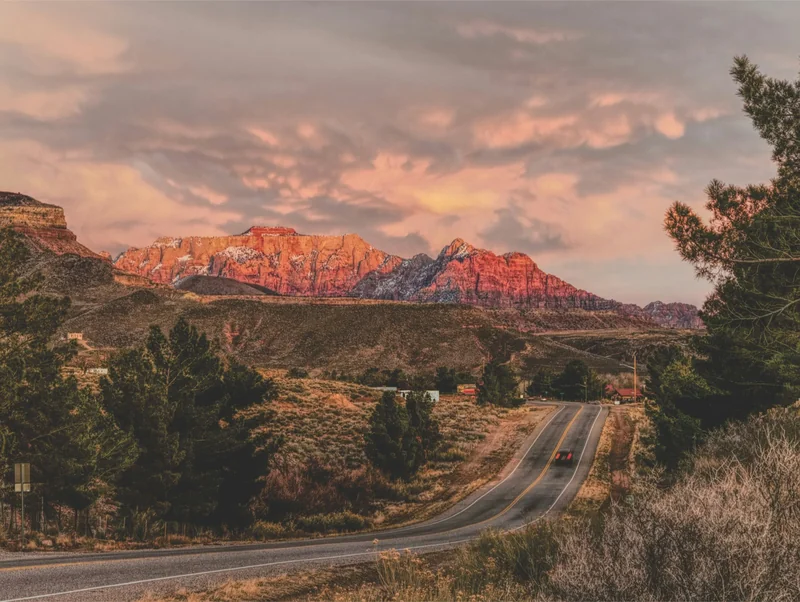
Picture yourself on the road toward Zion National Park, red cliffs rising on both sides, your vehicle loaded with family and gear. The last thing you want to worry about is whether your car insurance coverage is enough. Utah law requires every registered vehicle to carry liability insurance before it hits a public road. The current minimum liability limits, verified through the Utah Insurance Department, are $30,000 per person for bodily injury liability, $65,000 per accident for bodily injury, and $25,000 for property damage liability – commonly written as 30/65/25. Utah’s minimum liability limits increased on January 1, 2025, so drivers should confirm they carry at least the current requirement.
Utah is a no fault state for auto insurance, which means personal injury protection (PIP) is required on Utah personal auto policies. PIP pays for medical expenses regardless of fault in accidents, starting with at least $3,000 in medical benefits per person. Exact requirements and options should always be confirmed with a licensed insurance professional or the Utah Insurance Department. Ready to explore your options? Request a quote online or call (844) 409‑1313 to talk through coverage choices with a real person.
Important: Requesting a quote does not bind coverage. Coverage only begins when an insurer approves an application and both parties agree on an effective date.
Finally, Utah Auto Insurance Built for Everyday Utah Drivers
If you’ve ever spent an afternoon juggling quotes from multiple car insurance companies, trying to decode what “30/65/25” means, or wondering whether you actually need full coverage on a seven‑year‑old sedan, you already know how confusing insurance in Utah can feel. Add in rising utah car insurance rates driven by higher repair costs, parts inflation, and severe weather events like hail along the Wasatch Front, and it’s no wonder many Utah drivers feel overwhelmed.
Utah Vehicle Insurance exists to cut through that confusion. Instead of pushing a single insurance company or making unrealistic promises about guaranteed savings, this site focuses on helping you understand Utah‑specific rules – no‑fault claims, liability coverage minimums, PIP benefits, SR‑22 filings, non‑owner policies – and compare your options in one place. We cannot guarantee the cheapest price, instant coverage, or eligibility with any particular insurer. What we can do is give you clear, practical information so you can make a confident decision about protecting your car, your finances, and your family. You don’t need to be an insurance expert. You just need a starting point.
Why Utah Vehicle Insurance Works for Utah Drivers
Using a resource focused entirely on Utah means you get guidance shaped by the state’s own rules, driving conditions, and coverage landscape – not generic advice recycled from a national template. Here’s what sets this approach apart:
-
Clarity on Utah Law and Minimums – Every coverage explanation on this site is built around Utah’s current 30/65/25 liability requirement and the state’s no‑fault PIP framework. You won’t find outdated figures or guesses about what other states require. We reference official Utah Insurance Department guidance so you start from accurate ground.
-
Coverage Comparison, Not Just Price Hunting – Chasing cheap car insurance is tempting, but it can leave gaps. We help you compare liability limits, deductibles, collision, comprehensive coverage, and uninsured motorist coverage side by side, so you understand what you’re actually buying – not just what it costs.
-
Built for Real Utah Situations – Whether you’re a daily I‑15 commuter in Salt Lake County, a college student in Logan, a family adding teen drivers in West Jordan, or a retiree in Cedar City, your coverage needs are different. We address those differences instead of offering one‑size‑fits‑all advice.
-
Simple Quote Process with Human Help – Fill out a short online form or call (844) 409‑1313. No pressure, no binding commitment, and no sales jargon. Just straightforward questions that lead to realistic comparison results.
-
Jargon‑Light Explanations – Terms like bodily injury liability, property damage liability, PIP, and UM/UIM are explained in plain English throughout the site, including dedicated pages on minimum car insurance, full coverage, and more.
How Getting a Utah Auto Insurance Quote with Us Works
The process is straightforward, and a quote request is never a binding contract of insurance. You can use the online form or call (844) 409‑1313 – whichever feels more comfortable.
Step 1: Share a Few Details About You and Your Vehicle
Start by visiting the quote page and entering basic information: your name, Utah ZIP code, vehicle year, make and model, primary use (commute, pleasure, or business), and the coverages you’re interested in. Accurate mileage disclosure is important when setting up an auto insurance policy, and so is being upfront about your driving record, prior accidents or violations, and any current coverage. The more accurate the details, the more realistic your comparison results will be. If you prefer talking through options, call (844) 409‑1313 and provide the same information by phone.
Step 2: Review Utah‑Specific Coverage Options
After gathering your details, you’ll review coverage choices tailored to Utah law and common needs. The site guides you through required liability insurance, typical PIP options available in Utah, and optional protections like collision, comprehensive coverage, and uninsured motorist coverage. For deeper explanations, explore the minimum car insurance page or the full coverage guide.
Step 3: Compare and Decide What Fits Your Budget and Risk Comfort
With your options laid out, compare different deductible levels, liability limits above the 30/65/25 minimum, and optional add‑ons in simple, side‑by‑side language. The goal is balancing your monthly cost with meaningful protection for your savings, income, and vehicle value – not simply finding the lowest number. Remember: final purchasing and binding of coverage happen through licensed insurers or agents, not automatically through a quote request on this site.
What Makes Utah Vehicle Insurance Different
Many websites talk about “cheap car insurance” or promise the lowest rates in seconds. Utah Vehicle Insurance takes a different approach – one focused on meaningful protection and clear guidance for Utah drivers.
-
Utah‑Focused Content, Not a National Template – Every page is built around Utah Insurance Department guidance, Utah driving conditions (snow on mountain passes, hail along the Wasatch Front, wildlife on rural highways), and state‑specific rules. Generic national quote sites may use outdated minimums or ignore Utah’s 30/65/25 requirement entirely.
-
Honest About What We Can and Can’t Do – We do not guarantee the cheapest price, promise instant coverage, or claim affiliation with any government agency. We help you understand options and connect you with licensed insurers who can bind coverage.
-
Straightforward Language, No Sales Jargon – Coverage explanations use plain English. If a term like “split limit” or “comparative negligence” comes up, it’s defined right there. No fine‑print surprises, no unrealistic promises about guaranteed savings.
-
Statewide Reach – The same help is available whether you drive in Salt Lake City, West Valley City, Orem, Moab, or a small town in Iron County. Visit the cities page to see how coverage considerations vary by community.
Essential Utah Auto Insurance Coverages Explained
This section gives plain‑English explanations of the key coverages Utah drivers should understand. Laws and policy forms can change, so always confirm final coverage details with your insurer or a licensed agent.
Utah Liability Insurance: Meeting the 30/65/25 Minimum – and Going Beyond It
Liability insurance pays for injuries and damage you cause to others in an accident. It has two parts: bodily injury liability (covering the other person’s medical bills, lost wages, and related costs) and property damage liability (covering repairs or replacement of their vehicle and property).
Utah requires $30,000 per person for bodily injury liability, $65,000 per accident for bodily injury liability, and the minimum property damage liability in Utah is $25,000 – the 30/65/25 split. These figures represent the legal minimum coverage, not necessarily the right amount. Consider a multi‑vehicle collision on I‑15 where several people are injured and a newer SUV is totaled. Vehicle repair costs alone can exceed the $25,000 property damage limit; injury expenses are subject to separate bodily injury limits. That’s why many Utah drivers consider higher limits such as 50/100/50 or even 100/300/100, especially families who need to protect personal assets. Families may need higher liability limits than Utah’s minimums to protect personal assets.
For a deeper dive, visit the minimum car insurance page.
Personal Injury Protection (PIP) and Utah’s No‑Fault Rules
Because Utah is a no fault state, drivers must carry personal injury protection (PIP) coverage. PIP pays for medical expenses regardless of fault in accidents – your own policy covers your initial medical bills, up to your PIP limit, no matter who caused the crash. Personal injury protection coverage must be at least $3,000 per person for medical benefits, including hospital, surgical, ambulance, dental, and rehabilitation services. PIP may also cover limited lost wages and essential household services, depending on the policy.
Raising PIP coverage limits helps cover higher medical expenses after an accident, especially if injuries require extended treatment. Claims against an at-fault driver and lawsuits for pain and suffering have separate legal conditions; exhausting a chosen PIP limit is not the sole test. Ask a qualified professional how Utah’s injury and medical-expense thresholds apply to your circumstances. Drivers should confirm specific required amounts and options with their insurer or the Utah Insurance Department.
Collision and Comprehensive: Protecting Your Own Vehicle
Collision coverage pays for repairs or replacement of your car if it’s damaged in a crash, regardless of fault, subject to your deductible. Comprehensive coverage protects vehicles from non-collision events such as theft and weather damage – think hail storms rolling off the Wasatch, a deer crossing a highway in Rich County, or vandalism in a parking lot.
Collision coverage is usually required for financed vehicles in Utah, and lenders typically require comprehensive as well until the loan is paid off. For older, paid‑off cars, dropping these coverages is a budget decision: weigh the cost of the premium against what you’d actually receive if the car were totaled. The full coverage page explains what people usually mean by “full coverage” in Utah and when it makes sense.
Uninsured and Underinsured Motorist Coverage in Utah
Uninsured motorist bodily injury coverage can help with covered injuries caused by an at-fault driver without insurance. Underinsured motorist bodily injury coverage addresses covered injuries when the responsible driver’s liability insurance is insufficient. These coverages do not replace collision coverage for damage to your own vehicle. Compare the limits, exclusions, and cost with your insurer.
Utah drivers can reject uninsured motorist coverage in writing, but doing so means absorbing those costs yourself if you’re hit by someone without adequate insurance. This coverage can be especially helpful in higher‑traffic counties such as Salt Lake County, Utah County, Weber, and Davis. Review your declarations page to confirm what you carry.
Optional Add‑Ons Utah Drivers Commonly Consider
Beyond the core coverages, many Utah drivers add:
-
Roadside Assistance – Useful in canyons, on remote desert highways, and during winter breakdowns on mountain passes.
-
Rental Reimbursement – Covers a rental car while yours is being repaired after a covered claim.
-
Gap Coverage – Pays the difference between your car’s actual cash value and the remaining loan balance if it’s totaled – important for newer financed vehicles that depreciate quickly.
-
Custom Parts/Equipment Coverage – Protects aftermarket upgrades like off‑road bumpers, lift kits, or audio systems.
Review whether each add‑on is worth the extra premium based on your driving habits, vehicle value, and where you typically drive.
Special Situations: SR‑22, Non‑Owner, and Other Utah‑Specific Needs
Not every Utah driver fits the same mold. Here’s guidance for common special‑case policies.
SR‑22 Insurance in Utah
An SR‑22 is not a separate kind of policy. It’s a certificate your insurance company files with the state, proving you carry at least the required liability coverage. Utah’s Driver License Division may require an SR‑22 after violations like driving without insurance, certain serious driving offenses, or as part of license reinstatement. The Utah Driver License Division says the filing is typically required for three years from conviction; follow the duration and dates in your own DLD notice.
Letting an SR‑22 lapse can jeopardize your driving privilege. Confirm any reinstatement steps and remaining filing period with the Utah Driver License Division. For a complete walkthrough, visit the SR‑22 insurance page.
Non‑Owner Auto Insurance for Utah Drivers Without a Car
Non‑owner car insurance may provide liability coverage when you occasionally drive vehicles you don’t own, such as eligible borrowed cars or rentals. Household vehicles, cars available for regular use, and car-sharing arrangements may be excluded; discuss your actual access to vehicles before applying. It’s common among drivers living in downtown Salt Lake City without a car, people who need proof of coverage for license reinstatement, or anyone who drives occasionally but doesn’t own a vehicle.
Non‑owner policies typically don’t include collision or comprehensive for the vehicle itself. Learn more on the non‑owner insurance page.
Coverage Considerations for Teen Drivers, College Students, and Seniors
Adding teen drivers often increases insurance premiums for families; the amount depends on the insurer, driver, vehicle, and coverage. Adding a young driver to a family policy is usually more affordable than a standalone policy. Good student discounts are available for high school or college students maintaining a B average in Utah, and completing a defensive driving course may qualify you for additional discounts.
College students living on or off campus in Utah – or temporarily out of state – should know that garaging address and vehicle usage can affect premiums. Where the car is parked most of the time matters to insurers.
Seniors who drive fewer miles may benefit from reviewing coverage and deductibles periodically. There is no single cheapest insurer for every senior driver; compare quotes for your own mileage, driving history, and coverage needs. Safety features like anti‑lock brakes and airbags can also generate discounts.
Smart Ways to Compare Utah Auto Insurance – Without Cutting Needed Protection
Price matters – but Utah drivers should avoid under‑insuring themselves just to save money. Utah drivers can save by comparing quotes from multiple insurers, as long as comparisons are meaningful. Here’s how to shop smart.
Know Your Baseline: Utah Minimum vs. Recommended Coverage
The 30/65/25 minimum car insurance required by Utah law is a legal starting point, not a recommendation. For a dated comparison, InsuranceQuotes.com’s Utah study, reviewed October 7, 2026 using rates as of August 31, 2026, reports about $242 per month ($2,908 annually) for a 40-year-old clean-record benchmark driver with 100/300/100 liability and $500 comprehensive and collision deductibles. This is a third-party estimate, not our quote or a promised price. Its liability-only example uses limits below Utah’s current minimums, so it is not presented here as a compliant minimum-coverage comparison. Drivers with assets to protect – homeowners, higher‑income families – often consider limits like 50/100/50 or 100/300/100. It is advisable for families to consider enhanced coverage to accommodate multiple drivers.
Compare Apples to Apples Across Quotes
When comparing car insurance rates, keep liability limits, deductibles, and major coverages identical across every quote. List each option’s liability limits, deductibles, and included extras (roadside, rental reimbursement) in a simple comparison chart. The lowest price isn’t automatically the best if it leaves you exposed, especially in busy traffic areas like the Wasatch Front corridor.
A study covering a limited group of insurers does not establish the cheapest insurer for every Utah driver. Compare coverage, deductibles, policy terms and personalized quotes to find an option that fits your household.
Utah‑Specific Factors That Can Affect Your Rate
Insurers commonly consider these factors when setting your price: driving record, age, claims history, vehicle type, annual mileage, garaging ZIP code, and sometimes credit‑based information where allowed. Car insurance rates can vary by city and ZIP code, but rankings depend on the study’s driver profile, insurers, coverage limits, and date. Request a quote using your actual garaging address instead of relying on a citywide cheapest-or-most-expensive label.
Maintaining a clean record, avoiding DUIs and major violations, and promptly addressing any lapse in coverage help manage long‑term auto insurance costs. Bundling policies can lower your car insurance premiums, multi-car and bundling discounts typically yield substantial savings on insurance policies, and raising your deductibles can lower your insurance costs. Dropping unnecessary coverages can reduce your premiums, but only do so after weighing the risk.
Taking a defensive driving course may qualify you for discounts – a practical way to save money while also becoming a safer driver.
Where We Help in Utah
Utah Vehicle Insurance serves drivers across the entire state, not just one city. Visit the cities page for more detail on specific Utah communities.
Along the Wasatch Front
The Wasatch Front is home to most of Utah’s population: Salt Lake City, West Valley City, West Jordan, Sandy, South Jordan, Ogden, Layton, Provo, and Orem. Common commuting patterns along I‑15, I‑80, and I‑215 mean higher traffic density, congestion‑related accidents, and weather inversions that reduce visibility. These factors can influence coverage decisions – especially when choosing liability limits and uninsured motorist coverage in Salt Lake County and Utah County.
Southern Utah and Gateway Cities to the National Parks
St. George, Washington, Cedar City, Kanab, Moab, and Springdale attract both residents and visitors. Many drivers in these areas combine in‑town driving with long trips to parks like Zion, Bryce Canyon, Arches, and Canyonlands. Roadside assistance and comprehensive coverage are worth considering for long‑distance desert and mountain travel where help may be far away.
Rural Highways, Small Towns, and Mountain Roads
Drivers in smaller communities and rural counties face unique challenges: wildlife collisions, gravel roads, snow and ice, and longer towing distances to repair shops. Agricultural vehicles sharing the road and seasonal weather swings add to the risk. These drivers should review collision, comprehensive coverage, and towing options carefully – a breakdown on a remote stretch of highway is a different problem than one in a city with a shop on every corner.
Who Utah Vehicle Insurance Is For
Utah Vehicle Insurance is built for a wide range of drivers. Here’s a quick way to see if it fits your situation:
-
Daily commuters who rely on their vehicle to get to work along I‑15, I‑215, or other cities across Utah.
-
Families with multiple cars and young drivers looking to manage the premium impact of adding teen drivers while maintaining adequate liability limits.
-
First‑time car buyers who need help understanding minimum coverage, PIP, and whether collision or comprehensive makes sense.
-
Drivers needing SR‑22 or non‑owner coverage after a lapse, violation, or because they don’t own a vehicle.
-
College students and seniors with unique garaging, mileage, or discount situations.
-
Rideshare or delivery drivers seeking clarity on where personal auto insurance ends and commercial needs begin (consult a licensed agent for specific guidance).
-
Long‑time insured drivers reviewing coverage at renewal to make sure limits and deductibles still match their life.
Whether you’re purchasing your first policy or comparing options for the tenth year in a row, you’re welcome here.
Practical Utah Auto Insurance FAQs
These FAQs answer the most common questions Utah drivers ask before requesting a quote.
What auto insurance is required to drive legally in Utah?
Utah’s insurance requirements include liability insurance for registered vehicles on public roads. The minimum car insurance required is 30/65/25: $30,000 per person bodily injury, $65,000 per accident bodily injury, and $25,000 property damage. Driving without coverage is a misdemeanor that can lead to fines, registration issues, and license suspension. Utah personal auto policies also require PIP; collision and comprehensive are optional under state minimum-insurance law, although a lender or lessor may require them. Requirements can change, so review the latest guidance from the Utah Insurance Department.
Is Utah really a no‑fault state, and what does that mean for my policy?
Yes. Utah uses a no‑fault system for certain injury claims. PIP typically pays first for your medical bills regardless of fault, up to your policy’s PIP limit. Property damage is still handled under the at fault driver’s liability coverage. Monetary or injury thresholds – such as permanent disfigurement, bone fracture, or disability – may allow additional injury claims or lawsuits for pain and suffering. Discuss specific legal questions with a licensed professional.
Do I need “full coverage” in Utah?
“Full coverage” is an informal term. It usually means liability plus collision and comprehensive – not literally every available protection. Collision and comprehensive are commonly carried on newer or financed vehicles. For older, paid‑off cars, some drivers consider dropping them if the premium approaches the vehicle’s value. Visit the full coverage page for a deeper breakdown.
Can I get Utah auto insurance if I’ve had tickets, accidents, or a lapse in coverage?
Drivers with imperfect records usually still have options, though car insurance rates may be higher and an SR‑22 might be required in some situations. Utah Vehicle Insurance cannot promise eligibility or specific prices but can help you explore what’s available. Be candid about your history when requesting a quote so the information you receive is realistic.
Does requesting a quote through Utah Vehicle Insurance start my coverage?
No. Submitting a quote request or talking by phone does not bind insurance or guarantee coverage. Coverage only begins once an insurer approves the application, both parties agree on terms, and the effective date is confirmed. Do not cancel existing coverage or drive uninsured until you have written confirmation of a new policy.
How soon before my renewal should I start comparing Utah auto insurance options?
Start comparisons a few weeks before your renewal date. Early shopping gives you time to adjust coverage, consider higher limits, update garaging and mileage details, and avoid a rushed decision. It also gives you leverage to ask your current insurance company whether they can match competitive quotes.
Get Started with Utah Vehicle Insurance Today
If you’re ready to stop guessing about your coverage and start driving Utah roads with confidence, the next step is simple. Request a Utah auto insurance quote online or call (844) 409‑1313 to talk through your options with someone who understands Utah’s requirements.
You can choose minimum coverage to meet the law or build a more robust policy with higher limits, collision, comprehensive coverage, and uninsured motorist coverage. Either way, you’ll have clear explanations supporting every choice – no jargon, no pressure, and no binding commitment until you’re ready.
From downtown Salt Lake City to the open road into Zion National Park, Utah Vehicle Insurance is here to help you find affordable insurance quotes and coverage that fits your life. Explore our guides on minimum car insurance, full coverage, SR‑22 insurance, non‑owner insurance, and coverage by city to keep learning – then take the next step when you’re ready.
Ready to compare your options?
Tell us about your drivers and vehicles, or call for help.
Request a Quote (844) 409-1313