On this page
Key Takeaways
-
Eagle Mountain, Utah drivers should quote realistic annual mileage, commute patterns, and all household drivers to get accurate car insurance offers-this single step matters more than most people realize.
-
Utah’s current minimum car insurance limits are 30/65/25 liability plus $3,000 PIP per person (effective January 1, 2025), though many Eagle Mountain drivers choose higher limits for stronger protection.
-
Utah Vehicle Insurance is an online and phone-based service helping Eagle Mountain residents compare car insurance options. It is not a walk-in office. Call (844) 409-1313 or visit the quote page to start.
-
Local driving realities-commuting on Pony Express Parkway and SR‑73 toward Lehi, Saratoga Springs, or the Salt Lake Valley-directly affect the mileage and use questions insurers ask.
-
Quotes do not bind coverage, and no specific savings or eligibility are guaranteed.
Introduction: Car Insurance in Eagle Mountain, Utah
Eagle Mountain is one of Utah’s fastest-growing communities. With that growth comes a lot of daily driving-commuters heading toward Lehi, families shuttling kids to school, and weekend trips across the valley. The right car insurance matters here because it protects against accident-related costs and damages that can surface at any point along those miles.
Utah Vehicle Insurance helps Eagle Mountain drivers and other customers compare coverage options by phone and online. We focus on accurate, practical information to ensure the information and options fit a driver’s needs and budget rather than promises about the cheapest price or instant coverage. This page walks through the issues that matter most to drivers in this area: commuting mileage, multiple-driver households, Utah coverage requirements, and how to prepare for a quote so the numbers actually reflect your life.
If you also carry homeowners insurance or renters insurance, bundling those with auto coverage is worth discussing-but this guide keeps the spotlight on car insurance and the specific details Eagle Mountain drivers need to get right.
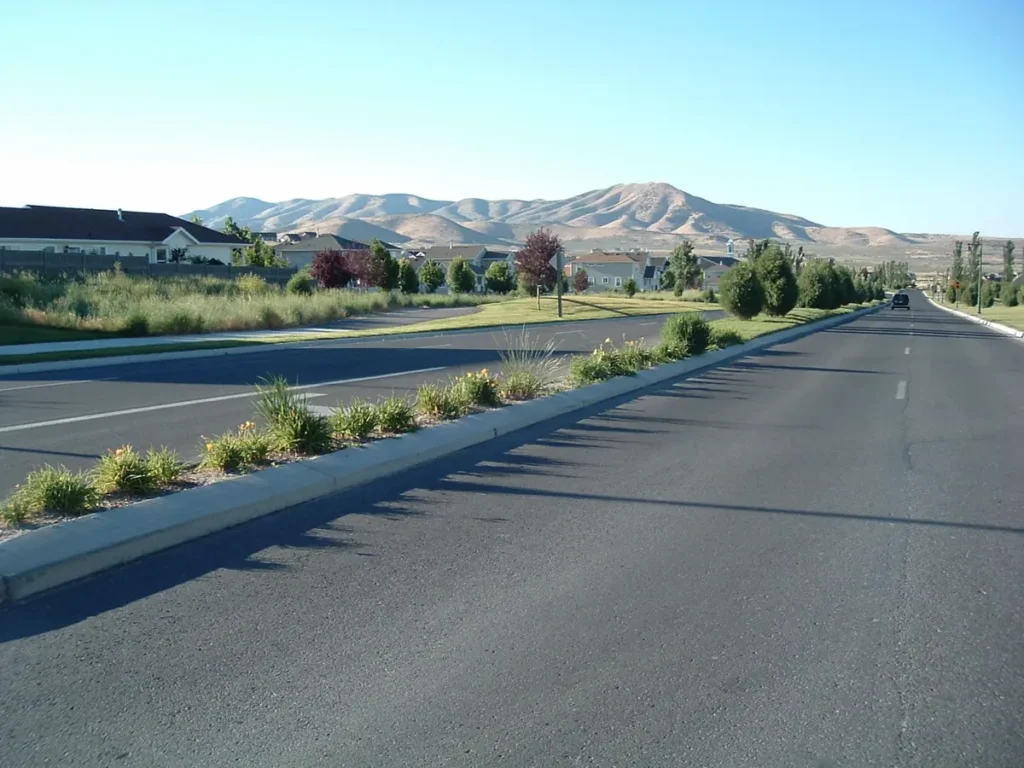

How Car Insurance Works for Eagle Mountain Drivers
Car insurance is a contract: you pay a premium, and the insurer agrees to cover certain losses—injuries, property damage, theft, and more—and when a covered event happens, it pays covered losses up to the limits you select. The policy spells out what is covered, what is excluded, and how much you would pay out of pocket through deductibles after a covered event before insurance coverage applies.
Here are the major coverage types relevant to Utah drivers:
-
Liability – Pays for injuries and property damage you cause to others. Utah requires applicable liability insurance for registered passenger vehicles; liability helps pay for injuries or property damage you cause to others.
-
Personal Injury Protection (PIP) – Covers your own medical expenses regardless of fault, up to the policy limit.
-
Collision – Pays to repair or replace your vehicle after a collision (a fender-bender on Pony Express Parkway, for instance).
-
Comprehensive – Covers non-collision damage such as theft, hail, fire, or a deer strike on SR‑73.
-
Uninsured/Underinsured Motorist (UM/UIM) – Steps in when the at-fault driver has no insurance or not enough to cover your losses.
-
Optional add-ons – Rental reimbursement, roadside assistance, and glass coverage are common extras.
Drivers may need additional coverage if financing or leasing a vehicle. Lenders—not Utah state law—typically require collision and comprehensive coverage on financed cars. Dropping those coverages while you still owe money can violate your loan agreement.
Utah Minimum Car Insurance Requirements (Including PIP)
Minimum coverage requirements vary by state in the U.S. As of January 1, 2025, Utah’s minimum liability limits for passenger vehicles are:
|
Component |
Minimum Limit |
|---|---|
|
Bodily injury per person |
$30,000 |
|
Bodily injury per accident |
$65,000 |
|
Property damage |
$25,000 |
|
Personal Injury Protection (PIP) |
$3,000 per person |
These limits are commonly written as 30/65/25. The $25,000 property damage minimum, for example, might not fully cover replacing a newer SUV after a serious crash-something to keep in mind when deciding whether to carry more than the minimum.
New Utah policies normally include UM/UIM coverage up to the lesser of your liability limits or the insurer’s maximum, unless you sign a form selecting lower limits or rejecting the coverage. When UIM is purchased, minimums are $10,000 per person and $20,000 per accident. The Utah Insurance Department’s auto consumer guidance explains these requirements and the claims process in detail.
For a deeper statewide overview, visit the Minimum Car Insurance guide rather than wading through statute sections here.
Why Accurate Mileage and Commute Details Matter in Eagle Mountain
Many Eagle Mountain residents commute toward Lehi, Saratoga Springs, Provo, or the Salt Lake Valley, often using Pony Express Parkway and Utah State Route 73. These routes can create higher annual mileage than drivers expect once they add up five days a week of round trips plus weekend errands.
Insurers use annual mileage to determine coverage rates and risk. They commonly ask about:
-
Total annual miles driven
-
One-way commute distance
-
Number of commuting days per week
-
Whether the vehicle is used for business, personal errands, or both
Longer commutes can increase the probability of accidents and insurance rates because more time on the road means more exposure. Conversely, insurers may offer discounts based on low mileage or reduced commute distance.
Under-reporting miles or commuting use can lead to inaccurate quotes and possible claim disputes down the road. Updating car insurance details is essential when moving or changing commutes-drivers should notify insurers about address changes to maintain policy accuracy. Households should balance auto insurance requirements with their commuting distance so the policy reflects reality.
Before starting a quote, review your current odometer reading, map your daily route, and think honestly about weekend driving. Commute mileage impacts auto insurance rates due to exposure risk, so getting this right up front saves headaches later.
Example: Preparing Mileage and Use Info for an Eagle Mountain Commute
This is a hypothetical example only-not a promise of any rate or outcome.
Suppose Alex lives near Pony Express Parkway in Eagle Mountain and works in Lehi. Here is how Alex might prepare mileage information before requesting a quote:
-
Measure the commute. Alex maps the one-way drive at roughly 15 miles. Round trip: 30 miles per day.
-
Count commuting days. Alex drives to the office five days a week, about 50 weeks a year (accounting for vacations). That is 30 × 250 = 7,500 commuting miles.
-
Add non-commute driving. Weekend errands, family trips, and occasional drives to Provo or Salt Lake City add an estimated 4,000–5,000 miles annually.
-
Total estimate. Alex’s annual mileage lands around 11,500–12,500 miles, which would likely fall into a “commute use, 12,000–15,000 miles per year” category on many quote forms.
Alex can adjust this estimate each year by checking the odometer and should update the agent if the commute changes-for example, switching from an office in Lehi to remote work would significantly reduce annual miles and may affect the rate.
Checklist: Information to Have Ready Before You Request Quotes
Having details organized before you start makes the quoting process faster and more accurate. Auto insurance comparison should consider vehicle specifics and driving habits, so gather the following:
Personal and vehicle details:
-
Driver’s license number for every licensed household driver
-
Vehicle identification numbers (VINs) for each car
-
Approximate purchase dates and loan or lease status
-
Where each vehicle is usually parked overnight in Eagle Mountain
Usage questions:
-
Each driver’s typical commute route and one-way distance
-
Number of days per week each person drives to work or school
-
Annual mileage estimate per vehicle
-
Whether anyone uses a vehicle for delivery, rideshare, or business visits
Coverage preferences:
-
Current limits and deductibles (if you have an existing policy)
-
Desired liability limits-consider whether 30/65/25 is enough or if higher limits make sense
-
Whether collision and comprehensive are needed (required by lenders on financed vehicles)
-
Interest in UM/UIM coverage, rental reimbursement, or other extras
Getting updated insurance ID cards after policy changes is recommended, so keep your insurer’s contact info handy for that step too.
The Car Insurance Quote form starts with your name, phone, and email. After that first step you can optionally add household and vehicle details. An agent follows up by phone-submitting the form does not start coverage or lock in a price.
Comparing Common Utah Coverage Options (Table Overview)
Below is a simplified comparison of coverage styles many Utah drivers consider. No prices are listed because rates vary widely by driver profile, vehicle, and insurer.
|
Coverage Style |
Typical Liability Limits |
Collision / Comprehensive |
Who It May Fit |
|---|---|---|---|
|
State minimum |
30/65/25 |
Not included |
Drivers with older, paid-off vehicles and limited assets to protect |
|
Mid-range liability |
50/100/50 or 100/300/50 |
Optional |
Drivers who want stronger protection but own their vehicle outright |
|
Broad (“full coverage”) |
100/300/100 or higher |
Included |
Financed or leased vehicles; drivers with significant property or savings to protect |
“Full coverage” is not a legal term-it usually means liability plus collision and comprehensive, often with UM/UIM. For a detailed breakdown, visit the Full Coverage guide.
Discounts may apply for insuring new or hybrid cars, depending on the carrier. Paying in full rather than monthly can also qualify you for additional discounts with some insurers, which may help some drivers save on premiums depending on the insurer.
Multi-Driver, Multi-Vehicle Households in Eagle Mountain
Many Eagle Mountain households have multiple drivers-spouses, teens, and sometimes college students who return on weekends-and more than one vehicle. This can complicate a policy but also create opportunities for discounts.
Every household driver must be reported accurately to insurance providers. Failing to list a licensed household member-even one who only drives occasionally-can result in claim denials or coverage disputes. Common situations include:
-
A teen driving to Westlake High School a few days a week
-
A college student living part-time in Orem or Provo who still has access to a family vehicle
-
A spouse who carpools most days but occasionally takes the family SUV
Some insurers offer multi-car and multi-driver discounts in Utah. Good student discounts are offered for qualifying students who meet GPA requirements. Safe driver discounts can lower your car insurance premium for household members with clean records. However, eligibility and savings vary by company and driver profile-no specific discount amount is guaranteed.
Garage location changes can impact comprehensive risk calculations for insurance, so if you move within Eagle Mountain or to a nearby area, update your insurer promptly. Update your Utah driver license address promptly using the Driver License Division’s current instructions.
Before requesting quotes, review who drives what, how often, and for what purpose so the agent can support your family in structuring the policy correctly for your household’s driving patterns.
Bundling Car Insurance with Homeowners or Renters Insurance
Many Eagle Mountain residents simplify their insurance by placing car insurance and homeowners insurance-or renters insurance-with the same company. Multi-policy discounts are available for bundling insurance policies, though the exact discount depends on the carrier and your profile.
Homeowners insurance typically covers your dwelling structure, personal property, liability, and loss of use after events like a fire or severe windstorm, whether you own a house or a condo, depending on the policy form. It complements auto coverage by protecting your home and belongings alongside your vehicles.
Renters insurance normally protects a tenant’s belongings and personal liability. If you park at an apartment community in Eagle Mountain, carrying both renters and auto policies with one carrier can sometimes qualify you for a multi policy discount.
Utah Vehicle Insurance can help compare carriers that offer bundles. Discount amounts and eligibility depend on the insurer and household; no particular savings is guaranteed.
Special Situations: SR-22, Non-Owner, and Business Use
Utah Vehicle Insurance is committed to helping Eagle Mountain drivers with standard and non-standard situations find suitable options. Here is a quick overview of three common ones:
SR-22 filings. An SR-22 is a form your insurer files with the Utah Driver License Division (DLD) to prove financial responsibility after certain offenses. The DLD-not the agent-determines how long the SR-22 must be carried, usually around three years. It is not automatically required after an ordinary speeding ticket. Visit the SR22 Insurance page or call (844) 409-1313 for guidance.
Non-owner car insurance. This is a liability policy for eligible drivers who do not own a vehicle and do not have regular access to household vehicles. It typically does not include collision or comprehensive and is not designed for delivery or rideshare work. Learn more on the Non-Owner Insurance page.
Business use. Changing vehicle use can alter how it is classified on an insurance policy. If you use your car for client visits or service work around Eagle Mountain and nearby cities like Saratoga Springs, disclose this to your insurer. You may need a business-use endorsement or a separate commercial policy. Undisclosed business use can lead to denied claims.
For general quote comparisons, visit Car Insurance Quotes.
How to Get an Eagle Mountain Car Insurance Quote Through Utah Vehicle Insurance
Here are the steps:
-
Visit the Car Insurance Quote page or call (844) 409-1313.
-
Gather the checklist information from the section above.
-
Complete the form’s first step-name, phone, and email-then optionally provide household and vehicle details.
-
An agent from Drivers Insurance Agency, Inc. follows up by phone to review your coverage options and answer questions.
Utah Vehicle Insurance is an independent service-area resource for Eagle Mountain and surrounding communities. It is not a government office and not a physical storefront in Eagle Mountain. Working with an independent agency can help compare available coverage without contacting each participating insurer separately.
Quotes do not bind coverage until the carrier confirms and issues the policy. If you are looking for ways to manage your budget, you can also review general tips at Cheap Car Insurance-just keep in mind that no specific savings or eligibility can be guaranteed.
Local and State Resources for Eagle Mountain Drivers
Here is a quick-reference list of official resources:
-
Eagle Mountain City website – eaglemountain.gov for local police, fire, emergency management, and city services. The city’s 2025 Transportation Master Plan identifies Pony Express Parkway among key corridors.
-
911 – Call for life-threatening emergencies first, then contact your insurer when it is safe.
-
Eagle Mountain non-emergency contacts – Available on the city website for routine police or fire matters.
-
Utah Insurance Department – Auto consumer guidance for third-party claims, minimum limits, and consumer rights.
-
Utah DMV – Insurance and registration page for proof-of-insurance requirements and registration questions. Verify current details there or contact the DMV or Driver License Division directly.
-
Drivers Insurance Agency, Inc. – Contact Utah Vehicle Insurance at (844) 409-1313 for local quote help.
Frequently Asked Questions
How does living in Eagle Mountain specifically affect my car insurance?
Insurers consider your garaging ZIP code, but many pricing factors are personal-driving record, mileage, vehicles, and coverage choices all play a role. There is no single “Eagle Mountain rate.” The city’s growth and common commuting patterns toward Lehi and the Salt Lake region mainly show up in questions about mileage and use, not in special surcharges for individual roads. Focus on accurately reporting where your car is parked, how far you drive, and who drives it rather than trying to predict how the city name alone changes price.
What if I mostly work from home but still commute from Eagle Mountain a few days a month?
Estimate all your driving-occasional office trips, client visits, and personal errands-to arrive at a realistic annual mileage figure. Note how many days per month you commute and roughly how far each round trip is, then share this with your agent so the use classification reflects your actual pattern. Minor year-to-year variations are normal; the goal is a good-faith estimate, updated if your routine changes significantly.
Do I need separate insurance if my teen only drives occasionally in Eagle Mountain?
In most cases, a teen who lives in your household and holds a license should be listed on the family’s car insurance policy, even if they drive only occasionally. Insurers may rate teens differently depending on whether they are a primary driver of a specific vehicle or an occasional driver. Some carriers offer good student discounts where eligibility requirements are met. Discuss your teen’s actual driving habits with an agent rather than assuming coverage applies automatically.
Can I get car insurance in Eagle Mountain if I don’t own a vehicle?
Non-owner car insurance is a liability policy for eligible drivers who occasionally rent or borrow vehicles they do not own and that are not regularly available household cars. It typically does not include collision or comprehensive, and it generally is not designed for delivery or rideshare use. Visit the Non-Owner Insurance page or call (844) 409-1313 to discuss whether this option fits your situation.
Where can I learn more about my rights after a crash in Utah?
The Utah Insurance Department’s auto consumer information explains third-party claims, minimum coverages, comparative negligence rules, and timelines insurers must follow. If you are unsure how to handle injuries, liability disputes, or settlement offers, consider contacting an attorney for personalized legal advice. Utah Vehicle Insurance can help you understand how your current or prospective coverage might respond, but cannot provide legal representation.
Sources
For driver licensing and SR-22 requirements, use Utah Driver License Division guidance.
-
Utah Insurance Department – “Third-Party Auto Claim” consumer guidance at insurance.utah.gov/consumers/auto/third-party-auto-claim provides official information on Utah’s 30/65/25 liability minimums, $3,000 PIP requirements, claim timelines, and consumer rights.
-
Utah DMV – Insurance and registration resource at dmv.utah.gov/register/insurance covers proof-of-insurance and registration requirements. Readers should verify current details directly with the DMV or Driver License Division.
-
Utah Vehicle Insurance internal guides – Minimum Car Insurance, Full Coverage, Car Insurance Quotes, Cheap Car Insurance, SR22 Insurance, and Non-Owner Insurance provide additional detail on topics covered in this page.
-
Disclosure – Any third-party insurance products, websites, or services referenced on this page may be offered, issued, or administered by separate parties. Terms, eligibility, and financial responsibility may vary by provider.