On this page
Key Takeaways
If you live in Draper, UT, your auto insurance needs to reflect how you actually use your vehicle every day – not just the fact that you own one. Utah passenger-car policies must carry at least 30/65/25 liability and $3,000 Personal Injury Protection (PIP) per person as of January 1, 2025, but many Draper residents benefit from higher limits, especially those commuting into Salt Lake City or driving busy corridors.
Using your car for client visits, hauling tools, deliveries, or rideshare goes beyond ordinary commuting. These activities may require a business endorsement or commercial policy, and hiding this use from your insurer can lead to denied claims or even policy cancellation. Insurance is a crucial financial tool for individuals and businesses, but only when it matches your real-world driving.
You can request a comparison through Utah Vehicle Insurance at (844) 409-1313 or start online at the quote form. If your commute, mileage, or vehicle use changes, Draper City’s Roads & Transportation page is a practical resource for planning routes and seasons – and those changes should be shared with your insurance agency.
Introduction: Draper, UT Car Insurance That Fits Your Real-Life Driving
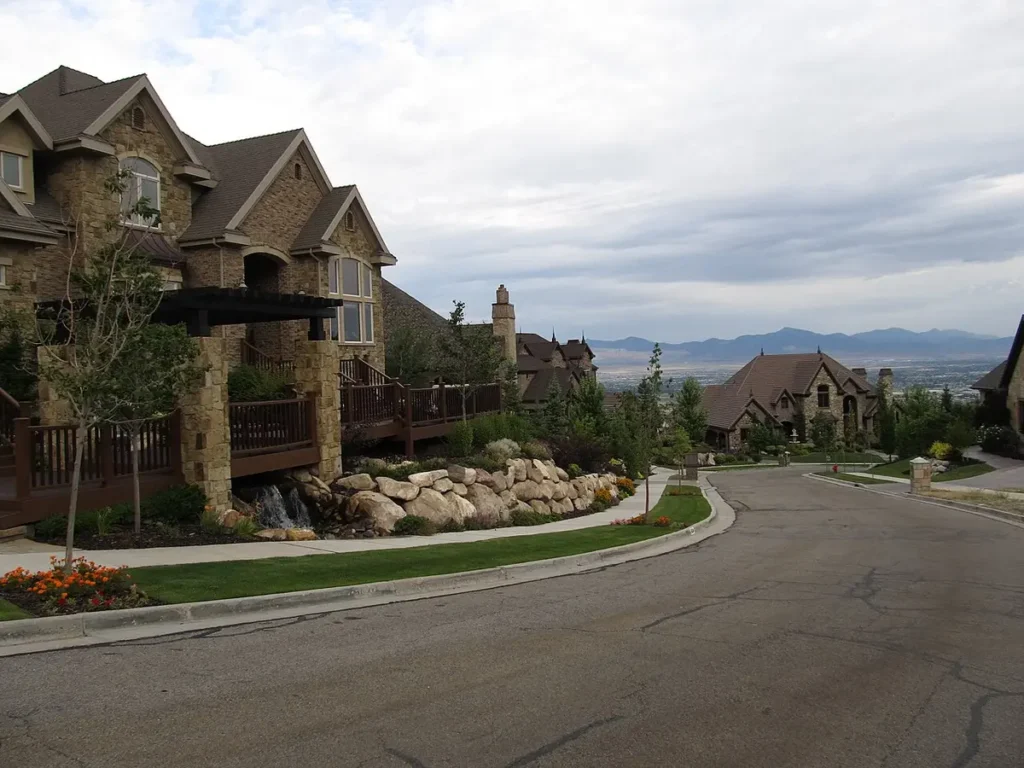
Draper sits at the south end of the Salt Lake Valley, and many people who live here work in Draper itself, head north toward Salt Lake City, or commute to nearby hubs in Sandy, Lehi, or beyond. That daily drive – along with everything else you do with your car – shapes what kind of insurance coverage you actually need. Insurance protects against unforeseen financial losses, but only when the policy reflects your life, not someone else’s.
Most drivers shop by price alone. The bigger deal, though, is carrying the wrong type of coverage for how you use your vehicle. A policy rated for pleasure driving won’t necessarily cover you during paid deliveries. A minimum-limits plan might leave you exposed after a serious crash on a crowded freeway. Vehicle insurance includes auto, motorcycle, and boat coverage, but this page focuses on the car insurance questions Draper drivers ask most often.
Drivers Insurance Agency, Inc., doing business as UtahVehicleInsurance.com is an independent agency that helps Draper area residents compare auto insurance from multiple carriers. The goal isn’t to find the lowest number on a screen – it’s to find the right combination of coverage and use classification so you’re protected when it matters. This is a service-area page, not a physical Draper office, and any quote or comparison does not bind coverage.
In the rest of this article, you’ll learn how to describe your daily driving accurately, choose appropriate limits, and understand when you may need endorsements or commercial auto coverage.

Utah Car Insurance Basics For Draper Drivers
Draper drivers follow the same Utah auto insurance rules as residents anywhere in the state, but how you use your car around Draper affects what you should buy. Utah requires liability insurance for registered passenger cars, and vehicle insurance provides liability protection for vehicle owners in the event of a crash.
Here are the current minimums for passenger vehicles, effective January 1, 2025:
|
Coverage |
Minimum Required |
|---|---|
|
Bodily Injury (per person) |
$30,000 |
|
Bodily Injury (per accident) |
$65,000 |
|
Property Damage |
$25,000 |
|
Personal Injury Protection (PIP) |
$3,000 per person |
Personal injury protection is a common vehicle insurance option and is required on Utah passenger-car policies – you cannot opt out of PIP the way you might with other add-ons. Uninsured/underinsured motorist coverage (UM/UIM) is generally included on new policies by default, at the lesser of your liability limits or the insurer’s maximum, unless you sign to choose lower limits or reject it. If UIM is purchased, Utah requires at least $10,000 per person and $20,000 per accident in UIM.
Collision and comprehensive coverage are not mandated by Utah law simply because a car is financed. However, lenders typically require both as a condition of the loan or lease. For a deeper look at state minimums, see the minimum car insurance coverage guide.
Why Accurate “Use” And Garaging Matter In Draper
When Draper drivers request a quote, insurers ask how the vehicle is used – pleasure, commuting, business, delivery, or rideshare – along with typical annual mileage and garaging location. Many factors go into how your policy is rated, and these details sit at the top of the list.
-
“Garaging” means where the car is normally kept overnight. If you live in Draper but work in downtown Salt Lake City, Draper is still your garaging address.
-
Annual mileage should reflect your actual driving habits. A 10-mile round-trip commute to a Draper office is very different from a 60-mile daily round trip to Salt Lake City.
-
Your use classification (pleasure, commute, business) must match reality.
Draper drivers must disclose non-personal driving activities to their auto insurance company. Giving incomplete or inaccurate information – such as listing “pleasure use” while regularly delivering food – can result in reduced claim payments or outright denial. Utah Insurance Department regulations require accurate disclosure of vehicle use to avoid misrepresentation.
Life changes common in Draper – a new job downtown, a side business, or switching to app-based rideshare – are all triggers to call your agent.
Update your policy when you:
Change jobs or commute distance
Start a side gig involving your vehicle
Move between Draper neighborhoods or to/from nearby cities
Add teen or adult household drivers
Personal Auto Use Types: Commuting, Errands, And Family Driving
Standard personal auto insurance in Draper is typically built around commuting and personal use, not money-making activities. If you drive from your Draper home to a regular job in Draper, Sandy, or Salt Lake City and then back again, that’s commuting – and it’s normally within the scope of a personal policy.
“Pleasure” or “personal” use covers school runs, grocery trips, weekend outings, and other non-business driving. These are also generally covered on standard personal policies.
When requesting a quote, describe your longest regular commute and approximate annual miles as accurately as possible. If you occasionally attend a one-off training or conference, disclose that work-related use and confirm how your insurer treats it. But regular client visits or hauling equipment on a schedule moves closer to business use – which is a different classification entirely.
When Draper Drivers Cross Into “Business Use”
The Utah Insurance Department’s business-auto guidance makes clear that many professional activities may not be covered by a standard personal auto policy unless specifically endorsed. When using a vehicle for work-related tasks beyond commuting, additional coverage may be required.
Examples relevant to Draper residents include:
-
Real estate agents driving to multiple showings across the valley
-
Contractors or landscapers driving between job sites with tools or materials
-
IT support professionals, tutors, or service providers making regular client visits
Some personal policies allow limited business use if disclosed and properly rated, while others require a business-use endorsement or a commercial auto policy. Commercial insurance protects business assets and provides liability coverage that personal policies typically don’t offer for work-related driving. Standard personal auto policies generally exclude commercial delivery on a standard policy, so this is an area where assumptions can be costly.
If a Draper driver is in a crash while doing undisclosed business errands, the insurer may treat the incident differently than an ordinary commute, and a claim could be affected. Talk to Utah Vehicle Insurance if your job or side gig involves driving beyond a basic commute so an agent can help navigate whether personal, endorsed, or commercial coverage is appropriate.
Delivery And Rideshare In Draper: Don’t Assume You’re Covered
App-based food delivery, package delivery, and rideshare are common side gigs for Draper residents. An unendorsed personal auto policy does not cover transporting passengers for hire, and delivery work may also be excluded. The distinction matters more than most people realize.
Disclosure should include whether you deliver goods or transport paying passengers for apps like Uber or DoorDash. Driving for rideshare companies is considered commercial use and may require a modification of the policy. Failure to disclose app-based driving can lead to denied claims or policy cancellations – not just a declined individual claim, but the loss of your entire policy.
Rideshare and delivery platforms have different insurance arrangements. Review the actual platform policy and its coordination with your own coverage for each phase of activity:
-
App on, no ride accepted (waiting period): Ask what coverage applies while you wait for work and whether an available rideshare or delivery endorsement fills any gaps; do not assume an endorsement covers every activity.
-
En route to pick up or transporting a passenger/order: Verify the platform’s applicable liability limits, physical-damage conditions and deductibles; passenger rides and delivery orders may have different coverage.
Draper drivers should not rely solely on app coverage. Speak with an insurance agency about a rideshare or delivery endorsement – or a separate policy – that coordinates with whatever the platform provides.
One warning worth repeating: starting delivery or rideshare work first and “fixing the insurance later” risks having a serious crash occur while you’re effectively uninsured for that activity.
Choosing Liability, PIP, And Optional Coverages For Draper, UT
State minimums are a legal starting point, not a recommendation. Proper insurance can safeguard against a wide range of risks, but only if the limits are high enough to match your exposure.
|
Coverage Level |
State Minimum (30/65/25) |
Higher Option Example (100/300/100) |
|---|---|---|
|
BI per person |
$30,000 |
$100,000 |
|
BI per accident |
$65,000 |
$300,000 |
|
Property Damage |
$25,000 |
$100,000 |
For Draper drivers who commute on busy roads, own a home, or have savings to protect, higher liability limits provide a bigger financial cushion if you’re at fault in a serious crash.
Utah’s required PIP coverage ($3,000 per person) pays first for medical expenses after a crash, regardless of fault. Insurance can cover repair or replacement of damaged vehicles through optional collision coverage (your car is damaged in a crash) and comprehensive coverage (theft, hail, fire, animal strikes). Lenders usually require both when a vehicle is financed or leased.
Other options Draper drivers commonly consider:
-
Roadside assistance – especially valuable during winter breakdowns
-
Rental reimbursement while your car is being repaired after a covered claim
-
Higher UM/UIM limits for extra protection against uninsured drivers
If you’ve heard people ask for “full coverage,” that phrase doesn’t have a legal definition. The full coverage explainer breaks down what it usually means in practice.
Getting Better Rates Without Hiding How You Use Your Car
Draper drivers understandably want better rates, but you should never downplay commuting distance, business use, or app-based driving just to lower a quote. Honesty about use, garaging, and household drivers is a non-negotiable rule – saving a little money now is never worth a denied claim tomorrow.
Legitimate ways to find lower pricing include:
-
Comparing options from multiple carriers through an independent insurance agency like Utah Vehicle Insurance
-
Adjusting deductibles – a higher collision or comprehensive deductible can lower your premium, though you’ll pay more out of pocket if a claim arises (the Sandy car insurance page offers more context on how deductibles work)
-
Bundling auto with other policies when appropriate – home insurance protects against damage to your residence, condo insurance covers specific risks for condominium owners, and renter’s insurance protects personal belongings in rented properties, so bundling with whichever applies can sometimes offer an advantage
Common discount categories include safe driving history, telematics or usage-based programs, multi-car policies, and student or education discounts. No agency can guarantee eligibility for any specific discount, but it’s worth asking when you shop and compare.
Household Drivers, Non-Owner Policies, And SR-22 In Draper
Coverage follows both the vehicle and the listed drivers, so Draper households need to pay attention to who is driving which cars and how often.
Insurers usually require all licensed household members who regularly drive to be listed – or specifically excluded – on the policy. Tell your agent when a teen earns a permit or license, or when an adult moves into or out of the home.
Non-owner car insurance is a policy for eligible Draper residents who do not own a vehicle but occasionally drive cars they don’t own, such as rentals or a friend’s car. It typically provides liability only – not collision or comprehensive for the vehicle itself – and usually does not cover vehicles owned by household members or regularly available to you. It also doesn’t apply to delivery or rideshare use.
An SR-22 is a form filed by your insurer with the Utah Driver License Division (DLD) to prove financial responsibility after certain serious violations. The DLD – not your agent – determines whether you need one and for how long (typically three years from conviction, depending on the notice). An ordinary speeding ticket does not automatically trigger an SR-22 requirement.
Local Draper Driving Context And City Resources
Local roads don’t change state insurance law, but Draper’s transportation environment can influence how drivers use their cars and how many miles they log each year.
Draper City’s official Roads & Transportation page is a practical tool for checking on road service requests, construction questions ((801) 576-6369), and snow removal contacts ((801) 576-6557 or (801) 831-7195 after hours). Winter conditions, construction detours, and changing traffic patterns may shift your commute time and annual mileage – mention meaningful changes to your insurance agency when reviewing coverage.
For emergencies after an accident, Draper’s police department and fire department pages provide local public safety information.
Utah Vehicle Insurance is not affiliated with Draper City or any Utah state agency. These links are provided for informational purposes only.
How Utah Vehicle Insurance Helps Draper Drivers Compare Policies
Utah Vehicle Insurance is an independent agency that helps Draper, UT drivers match coverage and use – commute, business, delivery, rideshare – with carriers that insure their situation.
Here’s how the comparison process generally works:
-
You share how each vehicle is used and who drives it.
-
The agency checks available companies and coverage options.
-
You review side-by-side recommendations based on your information.
-
You choose the option that fits – or ask more questions.
Utah Vehicle Insurance does not guarantee the cheapest price or instant coverage. Any quote is an estimate until the carrier issues the policy. Bring your current declarations page so the agent can compare limits, deductibles, and listed uses line by line.
Reach the agency at (844) 409-1313 or through the website at UtahVehicleInsurance.com.
How To Request A Draper Auto Insurance Quote
Getting started is straightforward. The online quote form collects your name, phone, and email first. Once submitted, the form or a knowledgeable agent asks for household, driver and vehicle details needed to complete the request.
An agent follows up by phone, text, or email to finalize information, answer questions about commuting or business use, and provide comparison options. This follow-up does not bind coverage.
Quote Checklist:
-
Driver’s license information for all household drivers
-
Current insurance declarations page (if available)
-
Approximate annual mileage for each vehicle
-
Primary use for each vehicle (commute, business, delivery, rideshare, pleasure)
-
Lender or lease details if the car is financed
If your situation involves complex business, delivery, or rideshare use, call (844) 409-1313 directly. It’s easier to talk through those details with an agent today than to guess on a form and find out later you chose the wrong classification.
FAQs: Draper, UT Car Insurance And Vehicle Use
These questions address common concerns Draper drivers bring up about commuting, side gigs, and coverage details.
Do I need to change my Draper car insurance if I start driving to Salt Lake City for a new job?
Yes – tell your insurance agency when your commute changes significantly. Switching from a short Draper-area commute to a daily drive into Salt Lake City increases your mileage and can affect how the policy is rated. This is still commuting for most employees, not business use, but under-reporting miles or commute distance can create problems if a claim is investigated. Share how many days per week you commute, approximate one-way distance, and whether you also use the car for client visits or hauling equipment.
What if I only do food delivery in Draper a few hours a week – does my personal auto policy cover that?
Even a few hours a week of paid food or package delivery may fall outside ordinary personal use. Utah’s business-auto guidance warns it may require a specific endorsement or commercial coverage. Contact your insurance agency before starting delivery work to find out whether your current insurer allows a delivery endorsement or whether a different type of policy is needed. Relying on the app’s coverage alone can leave gaps – policy language, not the side gig’s marketing, controls what’s covered.
How does a Draper car accident work if the other driver’s insurer is paying the claim?
When the other driver is at fault, you may file a third-party claim with that driver’s insurer. Under Utah rules, your own PIP coverage usually pays the first $3,000 in medical expenses per person. The at-fault driver’s insurer investigates, may request records, and must respond within deadlines described by the Utah Insurance Department. If fault is disputed or the settlement seems too low, options include using your own coverage where applicable or seeking legal advice. Utah Vehicle Insurance cannot provide legal advice.
Can I keep my Draper car insured on a personal policy if I put my business name on the doors?
What matters is how the car is actually used – client visits, hauling tools, deliveries – not just how it looks. Putting a business name on the vehicle can signal business use to an insurer. Before branding the vehicle, ask your agent whether the planned use can still be written on a personal policy with a business-use endorsement or whether you should switch to commercial auto. Failing to disclose the change in use may create claim disputes.
Is non-owner car insurance a good fit if I borrow a friend’s car in Draper a lot?
Non-owner policies are generally meant for people who do not own a vehicle and only drive occasionally borrowed or rented cars. They typically provide liability but not collision or comprehensive for the vehicle itself. If you have regular access to a particular household vehicle or borrow the same friend’s car frequently, insurers may expect you to be listed as a driver on that car’s policy instead. Talk with Utah Vehicle Insurance to find the choice that matches how often and what you drive.
Sources
-
Utah Insurance Department – Business Use of Your Auto: Guidance on when personal auto coverage may not be sufficient for business, delivery, or rideshare activities. insurance.utah.gov/consumers/auto/business-auto/
-
Utah Insurance Department – Third-Party Auto Claims: Explains Utah liability minimums (30/65/25), PIP requirements, and the claims process when another driver is at fault. insurance.utah.gov/consumers/auto/third-party-auto-claim/
-
Draper City Roads & Transportation: Local contact information for road services, construction, and snow removal. draperutah.gov/living-in-draper-city/roads-and-transportation/
-
Utah DMV – Insurance & Registration: Official resource for current proof-of-insurance and registration requirements. Readers should check directly for the latest details. dmv.utah.gov/register/insurance/